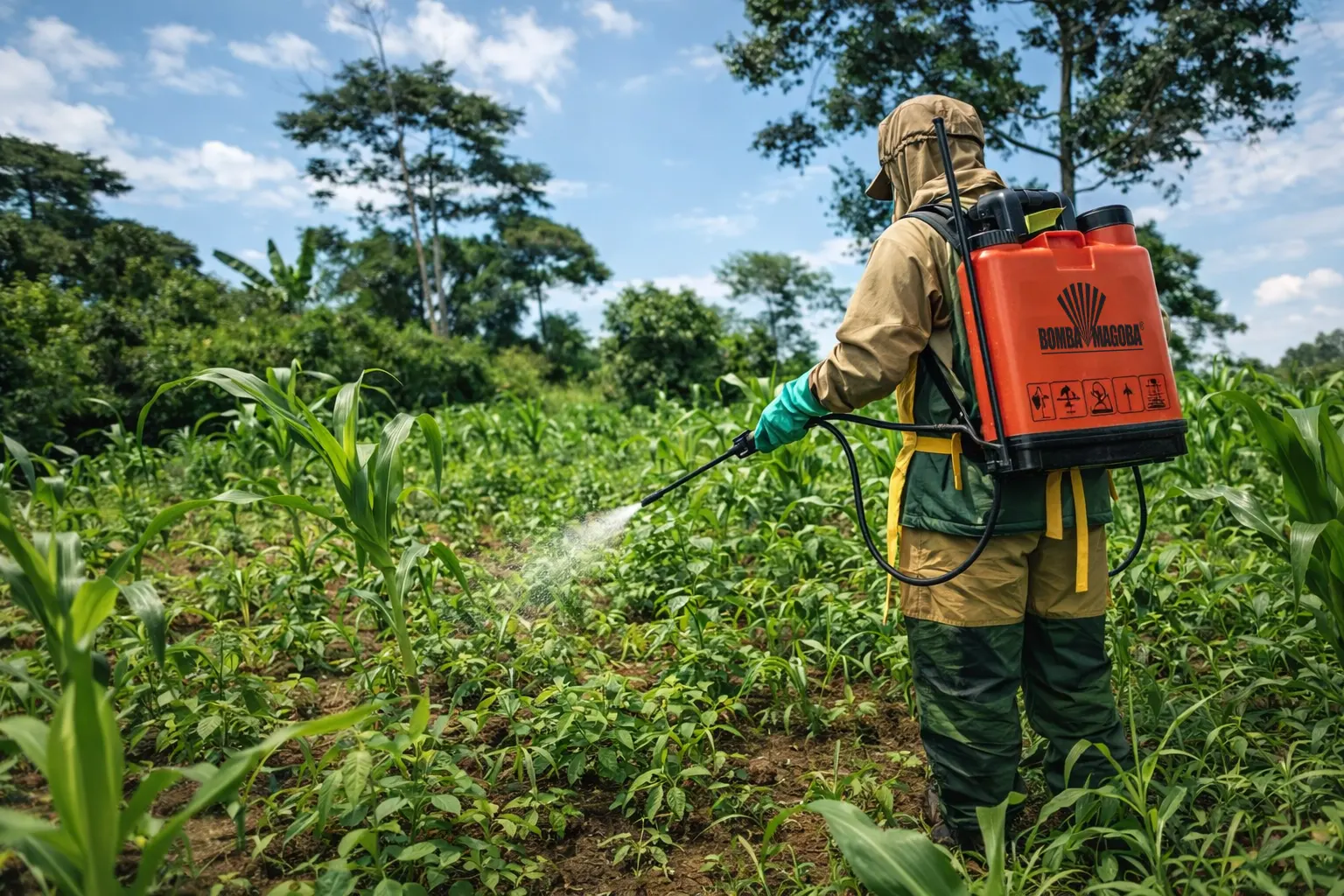
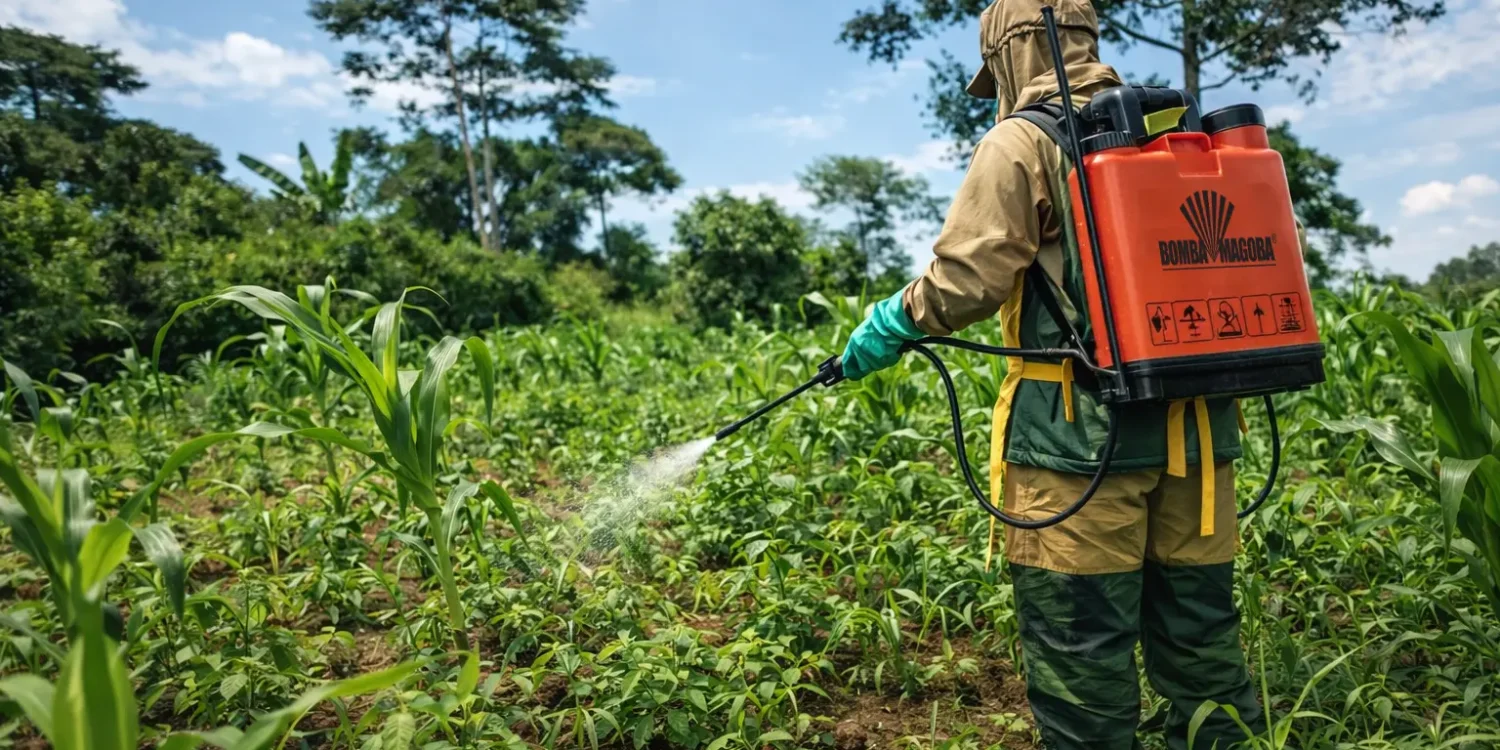
Applying crop protection products like herbicides, insecticides, and fungicides correctly brings real benefits. Better yields come from effective pest, weed, and disease control. For example, timely use of herbicides helps control weeds in maize and bean fields, allowing crops to grow without competition.
Cost savings are also significant. Avoiding overuse or repeat spraying can save farmers around UGX 50,000–100,000 per acre on inputs and labour. Proper application also protects crops from damage and prevents chemical residues that may affect market access.
As many crop protection experts, including resources from Cornell University Extension, highlight, it’s not just the product you use, but how and when you apply it that determines your final yield. Small improvements in spraying practices often deliver better results than simply increasing chemical use.
Field experience and agricultural extension trials show that properly calibrated sprayers can improve yields by 15–40% compared to poor application methods. Healthier soils and fewer repeat sprays also support long-term farm productivity.
Common Mistakes
1. Wrong Timing of Application
Farmers often spray too early before pests show up or too late when damage is done, like waiting for full blight on potato leaves.
This reduces the product’s effect because pests grow strong or hide by spray time. In cotton fields, late sprays let bollworms eat bolls, cutting lint by half. It wastes product and money on re-sprays.
Best Practices to Avoid:
- Regularly inspect your field at least twice a week
- Look for early signs of pests, eggs, or disease spots
- Spray early morning or late evening when temperatures are cooler
- Apply at the first sign of pest or disease presence
2. Skipping Label Instructions
Many rush and ignore the label’s dose, mix, or safety rules, thinking “a bit more won’t hurt.”
Under-dosing leaves pests live; over-dosing burns leaves or kills beneficial insects like ladybirds that eat aphids. In wheat, it harms soil microbes needed for the next crop.
Best Practices to Avoid:
- Always read and follow label instructions carefully
- Measure the correct amount using proper tools
- Follow recommended waiting periods before harvest
- Avoid repeatedly using the same product to prevent resistance
3. Poor Water Quality for Mixing
Using muddy canal water or hard borewell water without testing changes spray power, common in dry areas like Saurashtra.
Hard water (high calcium) binds chemicals, making spray weak; dirt clogs nozzles, causing uneven patches.
Best Practices to Avoid:
- Use clean water for mixing
- If using pond or river water, filter it through cloth
- Mix properly by filling the tank halfway, adding the product, then topping up with water
- Stir well to ensure even mixing
4. Wrong Nozzle or Pressure
Picking fan nozzle for herbicides but flat fan for insecticides, or high pressure that makes mist drift.
Drift hits neighboring maize or blows to village; big drops run off waxy leaves like in brinjal.
Best Practices to Avoid:
- Use the right nozzle for your crop and product
- Maintain moderate pressure for even spraying
- Keep a consistent spraying height above the crop
- Clean nozzles regularly.
5. Not Calibrating Sprayers
Old knapsack or boom sprayers go unchecked, spraying double or half the needed amount.
Over-use hikes costs by 50%; under-use lets weeds like bathua take over wheat fields.
Best Practices to Avoid:
- Calibrate your sprayer weekly, use proper nozzles, and source replacement parts and recommended products from trusted agricultural marketplace to maintain consistent output.
- Weigh tank before/after for exact output.
- Mark fields with flags for test areas; note speed and pressure.
- Service sprayers yearly—replace worn parts at local mechanics.
6. Ignoring Weather Conditions
Spraying just before unseasonal rain or in 15 km/hour wind, as many do during mango flowering.
Wind drifts to orchards; rain washes off, needing re-spray after downpour.
Best Practices to Avoid:
- Avoid spraying before rain
- Do not spray during strong winds
- Spray when temperatures are moderate
- Choose calm weather for better results
7. Mixing Incompatible Products
Dumping insecticide with fungicide without test, leading to gooey mess in the tank.
Reactions weaken both or corrode sprayer; common in combo sprays for chillies.
Best Practices to Avoid:
- Do a small jar test before mixing products
- Follow proper mixing order
- Use only recommended combinations
- Clean the sprayer after each use
8. Not Wearing Safety Gear
Skipping mask in dusty mixes or gloves while handling, especially with strong odors.
Chemicals enter skin or lungs, causing itching, headaches, or long-term issues like in repeated tobacco budworm sprays.
Best Practices to Avoid:
- Wear gloves, masks, long clothing, and boots
- Avoid direct contact with chemicals
- Wash thoroughly after spraying
- Store chemicals safely away from children
Why Proper Application Matters
Applying crop protection products correctly brings real benefits. Better yields come from effective pest control. For example, proper spraying can significantly improve maize harvests or increase bean and vegetable production.
Cost savings are also important. Avoiding waste can save farmers around UGX 50,000–100,000 per acre on inputs and labour. Correct application also protects crops from damage and prevents chemical residues that could affect market access.
As many agricultural experts highlight, it’s not just the product you use, but how and when you apply it that determines your final yield. Small improvements in spraying practices often deliver better results than simply increasing chemical use.
Field observations and extension trials have shown that properly calibrated sprayers can improve output by 15–40% compared to poor application methods. Healthier soils and fewer repeat sprays also support long-term farm productivity.
Conclusion
These common mistakes are easy to fix and can make a big difference in protecting your crops and income. Paying attention to timing, correct mixing, and proper equipment use helps ensure better results in every season.
Call to Action
Prepare your equipment and plan your next spray carefully. Use trusted products, follow label instructions, and consult local agricultural extension officers or advisory services for guidance. Share this information with fellow farmers in your community and help improve farming practices together.