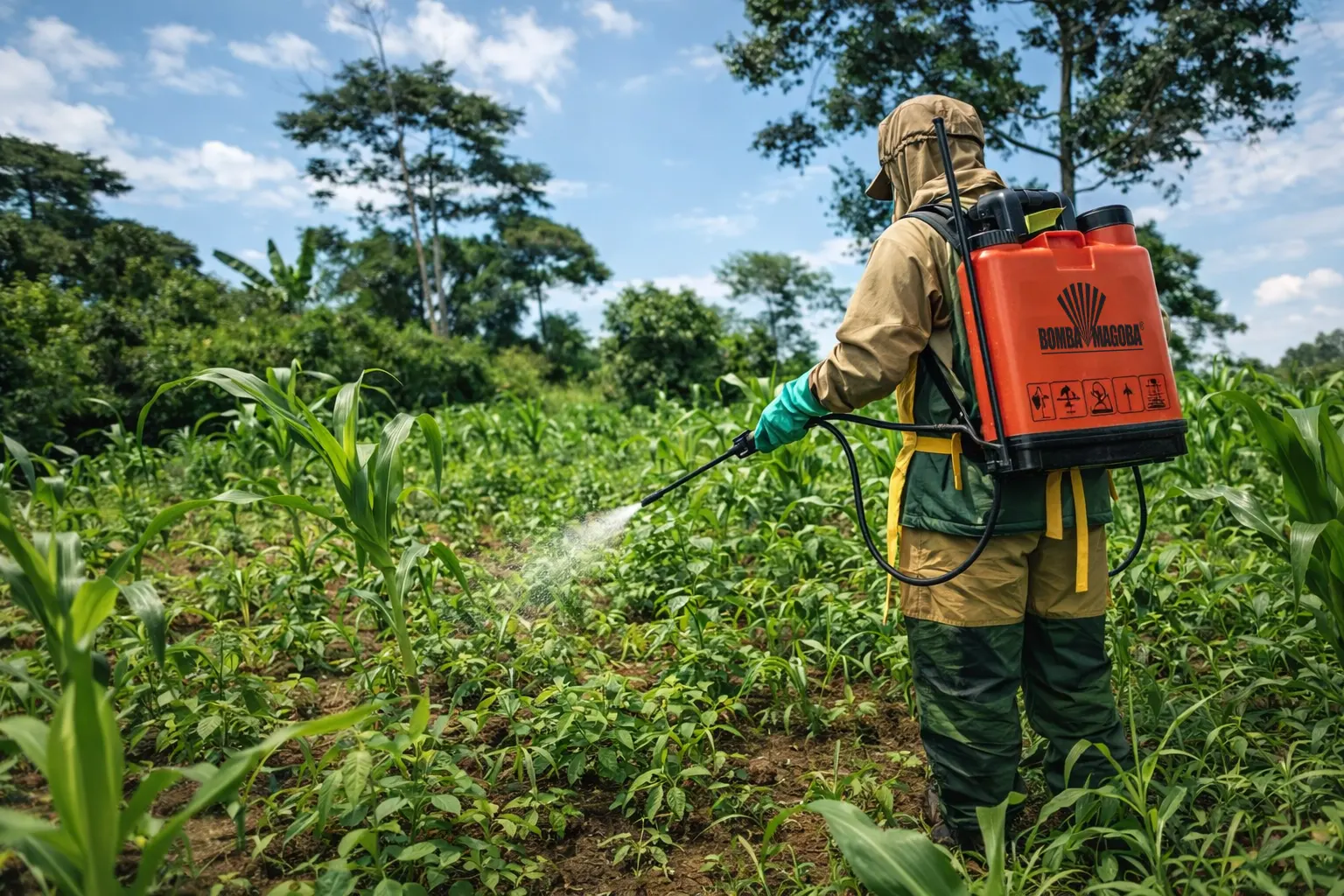
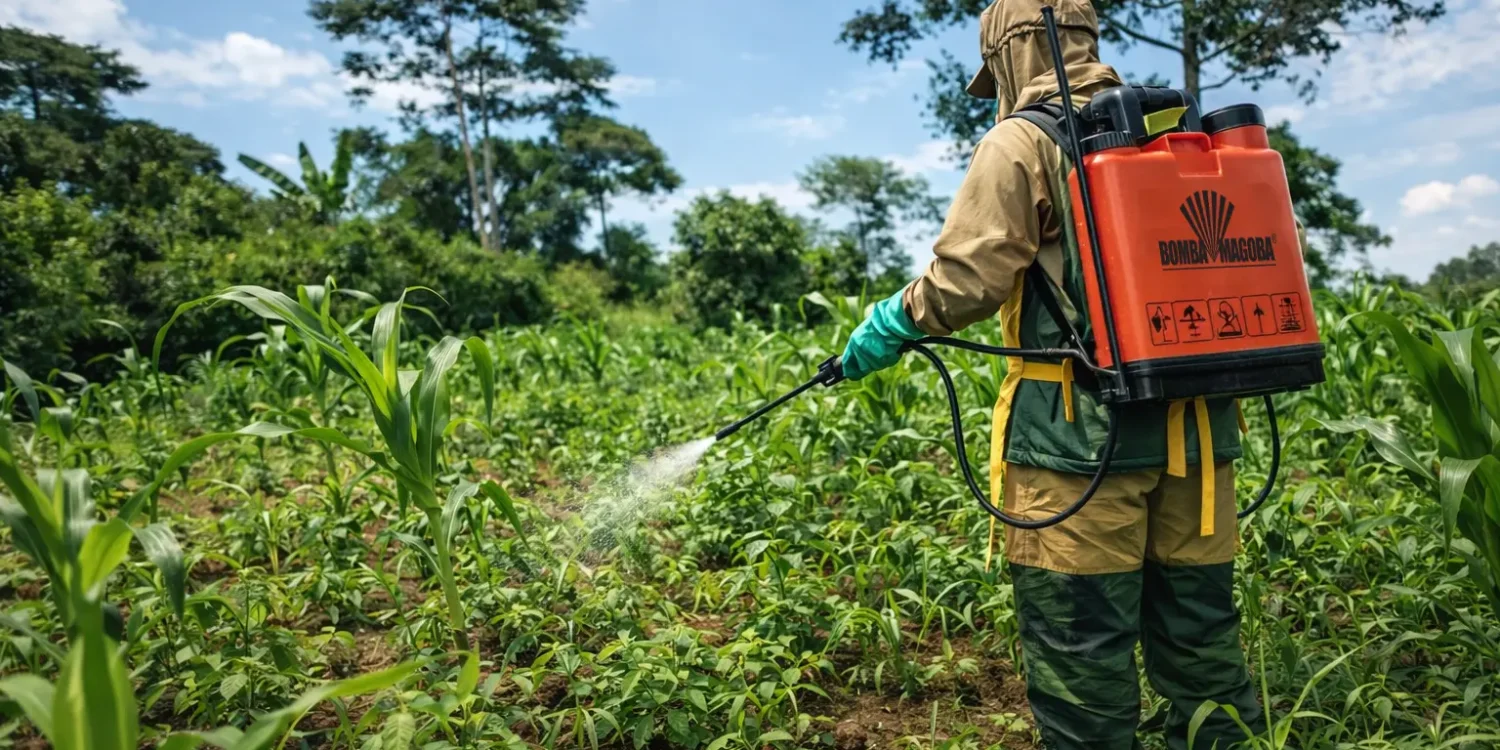
Simple improvements that can protect your crop and increase your harvest
Many farmers in Uganda invest in crop protection products expecting good results. But in many cases, poor spraying practices reduce effectiveness. This leads to wasted money, repeated spraying, and lower yields.
At Bukoola Chemicals, we often see that the issue is not the product — it is how it is applied. Whether you are growing maize, beans, tomatoes, onions, or coffee, correct spraying makes a big difference.


Spraying Too Early or Too Late
Some farmers spray before there is a real problem. Others wait until the damage is already severe.
Both approaches reduce effectiveness. For example, spraying maize after fall armyworm has already spread widely makes control much harder.
The best approach is simple — spray at the right stage, when the problem is just starting.
Using the Wrong Mixing Rate
Many farmers either reduce the dosage to save money or increase it thinking it will work faster.
This often leads to poor results or unnecessary waste.
Always follow the label instructions. The correct rate ensures the product works as expected without harming the crop or increasing costs.
Poorly Calibrated Sprayers
A faulty knapsack sprayer can ruin a good spray job.
Leaks, blocked nozzles, or uneven pressure lead to poor coverage. Some parts of the field get too much product, while others get too little.
Before spraying, take a moment to:
- check the nozzle
- ensure proper pressure
- confirm there are no leaks
Small checks improve results significantly.
Spraying in Bad Weather
Weather conditions affect how well a product performs.
Spraying during strong wind, heavy sun, or before rain can reduce effectiveness. The product may drift away or get washed off.
For best results, spray:
- early morning
- or late afternoon
This helps the product settle well on the crop.
Mixing Products Without Guidance
Some farmers mix multiple products in one tank without proper advice.
This can reduce effectiveness or cause compatibility problems.
If you are not sure, avoid mixing. Always follow label guidance or consult an agronomist before combining products.
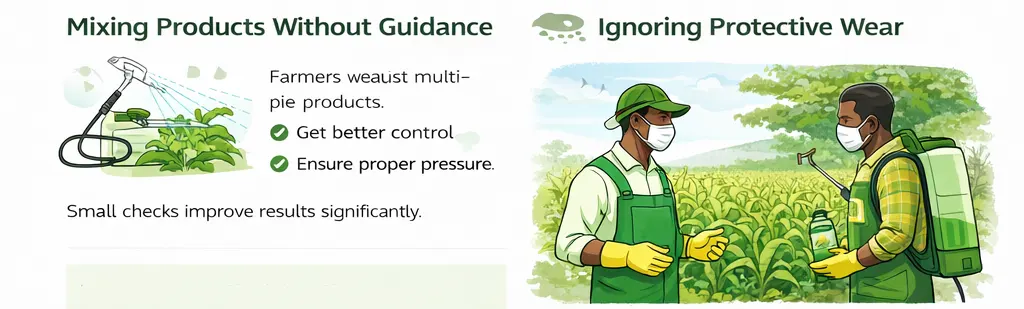
Ignoring Protective Wear
Some farmers spray without gloves, boots, or masks. This is risky.
Crop protection products should always be handled safely.
Basic protection includes:
- gloves
- boots
- long sleeves
- face protection
Safe use protects you, your family, and your farm.
Poor Spray Coverage
Spraying too fast or holding the nozzle too high reduces coverage.
Some pests and diseases hide under leaves. If the spray does not reach them, control will be weak.
Move steadily and ensure the spray reaches the target properly.
Not Cleaning Equipment After Use
Leaving chemical residue in the sprayer can affect future applications.
Over time, this leads to blockages and poor performance.
After spraying:
- rinse the tank
- clean the nozzle
- store the sprayer properly
Clean equipment works better and lasts longer.
Why Proper Application Matters
Good spraying practices improve results in the field.
Farmers who spray correctly often:
- get better control
- reduce repeat spraying
- save money
- improve crop health
Correct application is just as important as choosing the right product.
Final Advice
Many spraying mistakes are simple but costly. Avoiding them can make a big difference in your harvest.
At Bukoola Chemicals, we encourage farmers to combine the right product with the right application practice.
If you are unsure, always seek guidance from a trusted agro-input dealer or agronomist.
Read label carefully before use.